

Assess the novelty of your invention
Uncover prior art that may impact the likelihood of obtaining a patent. Benefit from a comprehensive search led by our subject matter experts, enhanced by AI-powered search tools.
From patentability opinions to patent filing and prosecution support — our network of experts offer valuable insights regarding claim language, novelty, non-obviousness to help you draft stronger claims and explore design-around options.

It is advisable to conduct a patentability search early in the invention process, before investing significant time and resources into development. This helps avoid unnecessary costs and setbacks by identifying potential obstacles in the patent application and prosecution process.
Prior art refers to any publicly available information that predates the filing date of a patent application. This includes existing patents, published patent applications, academic papers, technical documents, product descriptions, and other materials that disclose similar inventions or concepts.
The main requirements for patentability that must be satisfied are: (1) novelty, (2) non-obviousness (inventive step), (3) utility. In addition to these main requirements inventions must also fall under “patentable subject matter”. i.e. This typically includes processes, machines, manufactured goods, compositions of matter, and improvements thereof.
However, abstract ideas, laws of nature, natural phenomena, and mere discoveries are generally not considered patentable subject matter.
It is important to note that each jurisdiction may have different requirements for patentability.
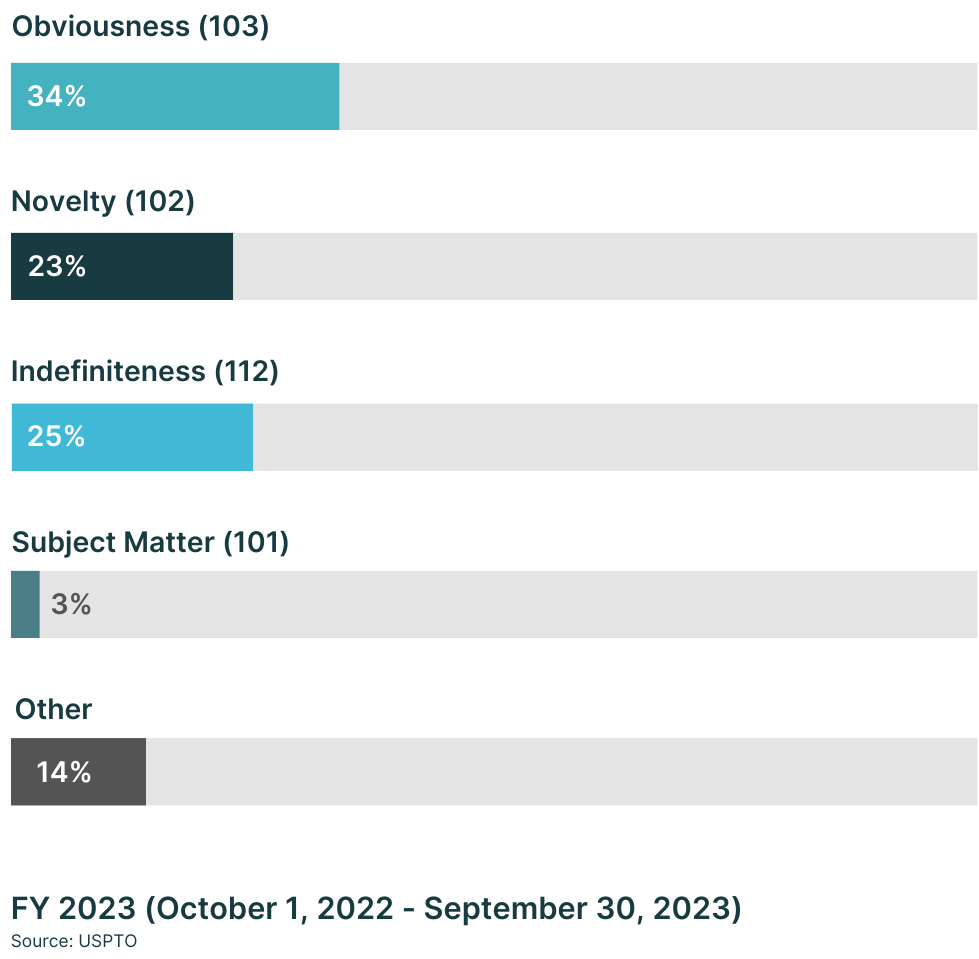
No, a patentability search cannot guarantee that a patent will be granted. While a patentability search can provide insights regarding novelty, other patentability requirements still need to be satisfied i.e. non-obviousness (which can depend largely on the patent examiner). A patent application may also be rejected due to a “lack of enablement”. If a patent examiner deems the claims to be “indefinite” or vague or ambiguous, the patent application may be rejected.
A patentability search can provide valuable insights into the patentability of an invention and help strengthen the patent application by addressing potential challenges early in the process.
A patentability opinion, also known as a patentability search opinion or patentability analysis, is a professional assessment provided by a patent attorney or agent regarding the likelihood of obtaining a patent for an invention. This opinion is based on the results of a thorough patentability search, which involves examining prior art to determine the novelty and non-obviousness of the invention.
Parola Analytics has partner U.S. IP firms that can provide you with a patentability opinion based on our patentability search results.
If prior art is found during a patentability search, it may impact the patentability of your invention. A patent attorney or patent agent can help assess the relevance of the prior art and advise you on how to proceed, which may involve modifying the invention to enhance its novelty (design around) or pursuing a different strategy for intellectual property protection.
A typical novelty search report includes the search strategy, overview, databases and keywords used, and most importantly, a technical mapping of the search results.
The patentability search report presents the findings of the search, including a list of relevant prior art references identified during the search process. The features of the invention are then mapped to the relevant disclosures of each reference found.
Parola’s patentability search reports also provides insights on non-obviousness by presenting a combination of references that disclose the features of the invention (when combined).
For patent literature, you can use Google Patents, Espacenet, WIPO (Patentscope), etc.
For non-patent literature various databases such as Sciencedirect, Google Scholar, Arxiv.org and other academic and scientific journals can be used.
There are also patent and non patent databases or search engines that can be used such as PQAI. This tool is an initiative from AT&T. You can try the free patent search tool here.